
Once again the Swedish manufacturer, a known pioneer in safety, has raised the bar with the Volvo EX90, an all-electric SUV built to meet today’s global standards in the automotive industry.
The EX90 has its roots in its predecessor, the XC90, one of the strongest SUVs in the Scandinavian manufacturer’s line-up. Beyond the safety features Volvo is known for, the car is packed with capabilities that reflect the true meaning of form following function. Let’s look at its safety, EV platform and automated driving.
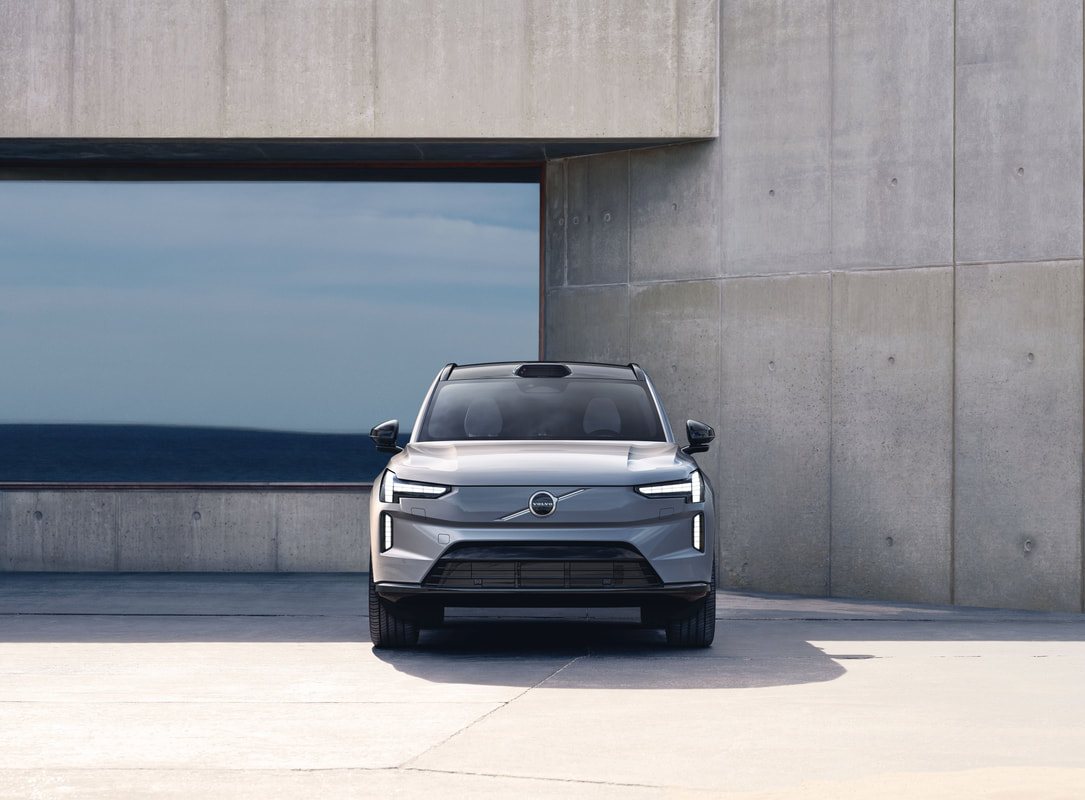
Safety at its peak
Volvo strives for safer mobility and keeps setting new standards in passenger safety without compromising design or technology. The company says the EX90 has more advanced safety functions than any other Volvo, because it learns from fresh data about its surroundings over time and updates its systems.
Volvo partners with Luminar for LiDAR sensors, and the EX90 has a LiDAR sensor as standard. Its cameras and radars all work in tandem with the EX90’s core software stack and its NVIDIA DRIVE computer, which takes in the multi-sensor data and builds a real-time 3D model of the vehicle’s surroundings. The Luminar LiDAR is designed to detect the road and hundreds of small objects at long range, giving the vehicle time to react. Volvo’s engineers placed the LiDAR on the roof for a wide field of view, making the car’s automated-driving software more robust. Which brings us to Volvo’s assisted-driving function, Pilot Assist.
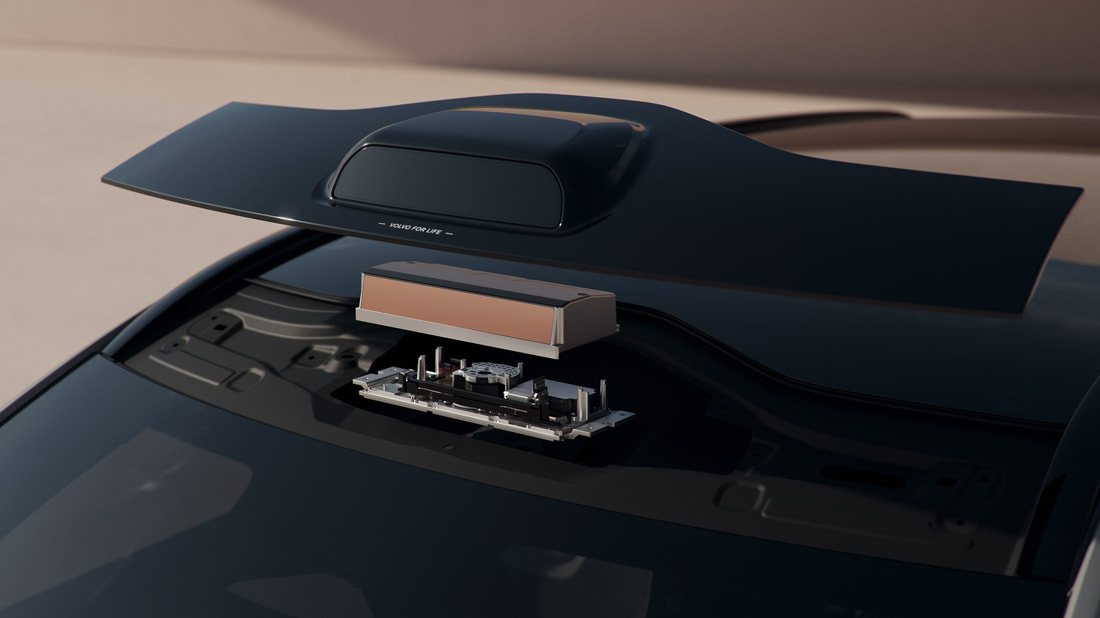
One enhancement to Pilot Assist is detecting vehicles and objects crossing from the sides, with automatic braking if needed. Volvo also looks after the passengers: a new occupant-sensing system is designed to reduce the chance of anyone being accidentally left behind in a potentially dangerous situation.
The ultimate Thor’s hammer headlights
For a decade, Volvo’s Thor’s hammer-inspired headlights have featured on every Volvo. This time the idea has been taken to another level. At the car’s New York preview, Volvo’s head of future vehicles in America said: “These headlights are probably the most complex headlights that we have ever built.”
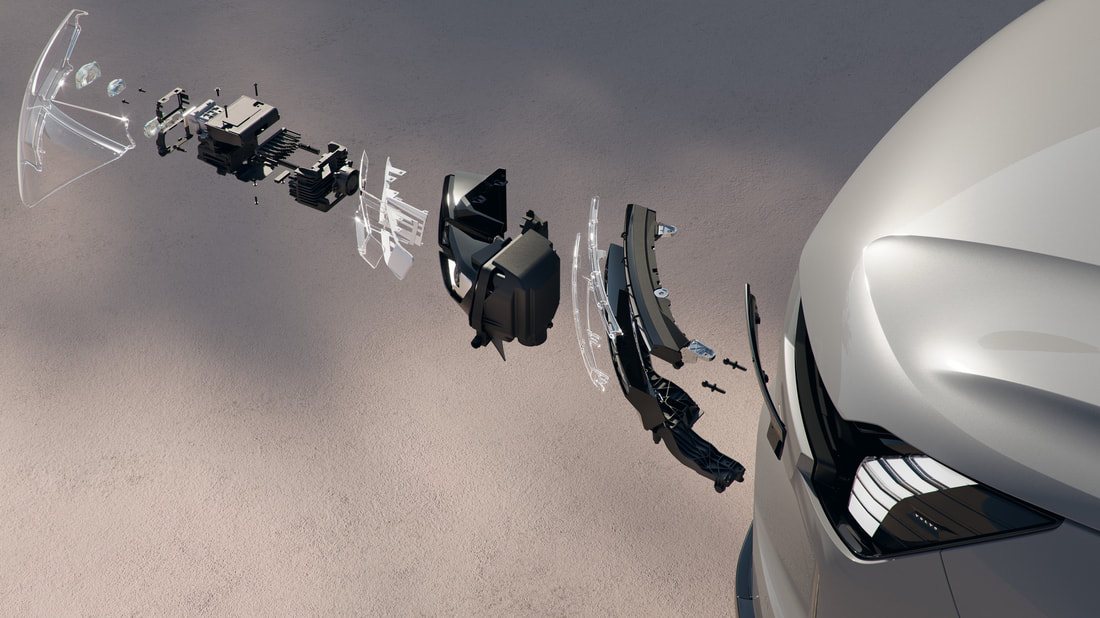
Multi-element LEDs highlight the hammer design. The hammer’s head is made of six parts and the handle of another ten. Those ten elements light up as daytime running lights. Volvo says the headlights behave like a human eye: when you switch to full beam, the hammer splits horizontally to reveal the main headlight, then closes again when it’s done.
Sustainability and EV architecture
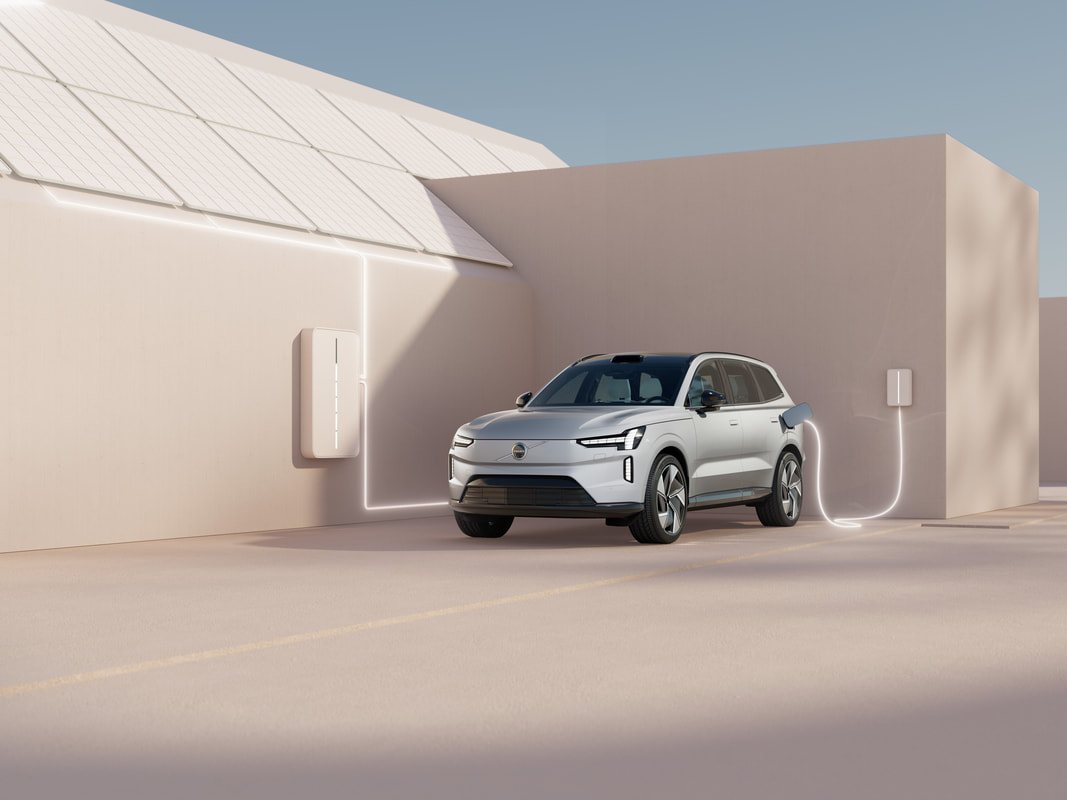
Volvo is a pioneer in balancing sustainability and performance, and that carries forward to the EX90. The initial variant has a 111 kWh battery and two permanent-magnet electric motors powering the twin-motor all-wheel-drive version, which produces 380 kW (517 hp) and 910 Nm of torque in its performance edition. On the WLTP cycle it offers up to 600 km of emission-free range on a single charge, and charges from 10% to 80% in about 30 minutes.
Volvo’s engineers also developed a new chassis, and the car has the highest share of recycled plastic in any Volvo to date, about 15% of all the plastic used. It also contains about 25% recycled aluminium, 15% recycled steel and bio-based materials. The EX90 is also Volvo’s first car with bi-directional charging: it can act as an energy source to power your home, charge appliances or charge other Volvo EVs.
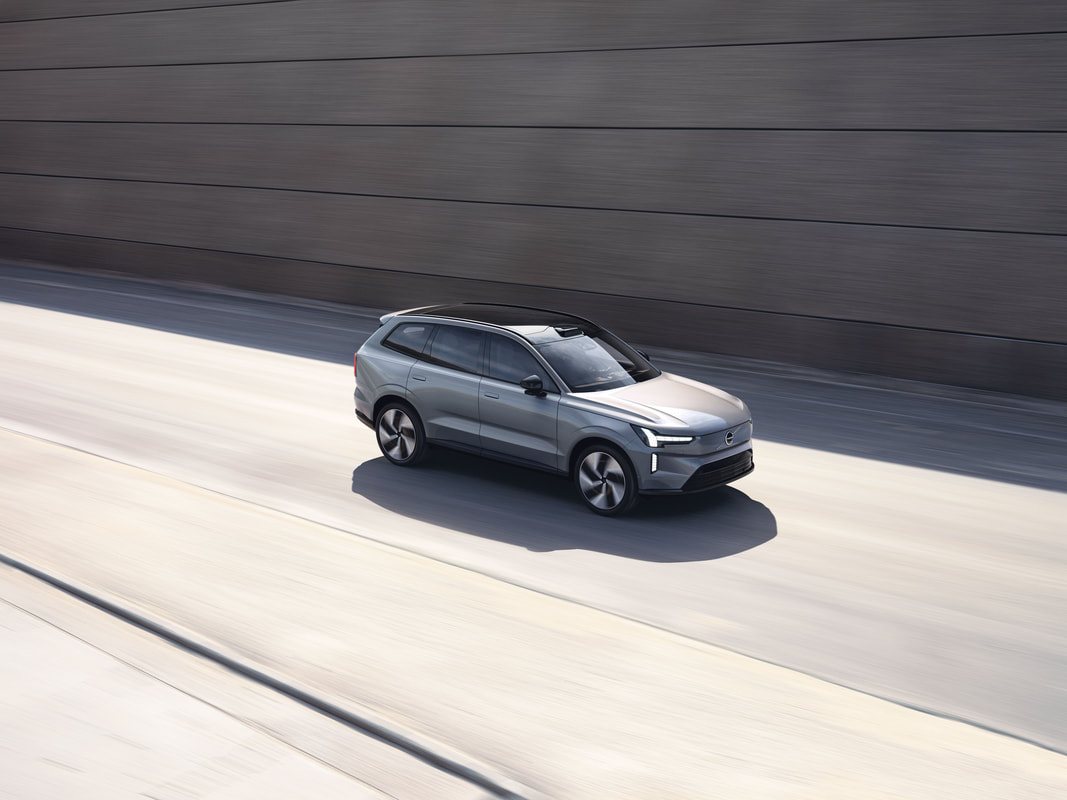
This post covered the highlights of the newly launched all-electric Volvo EX90.